
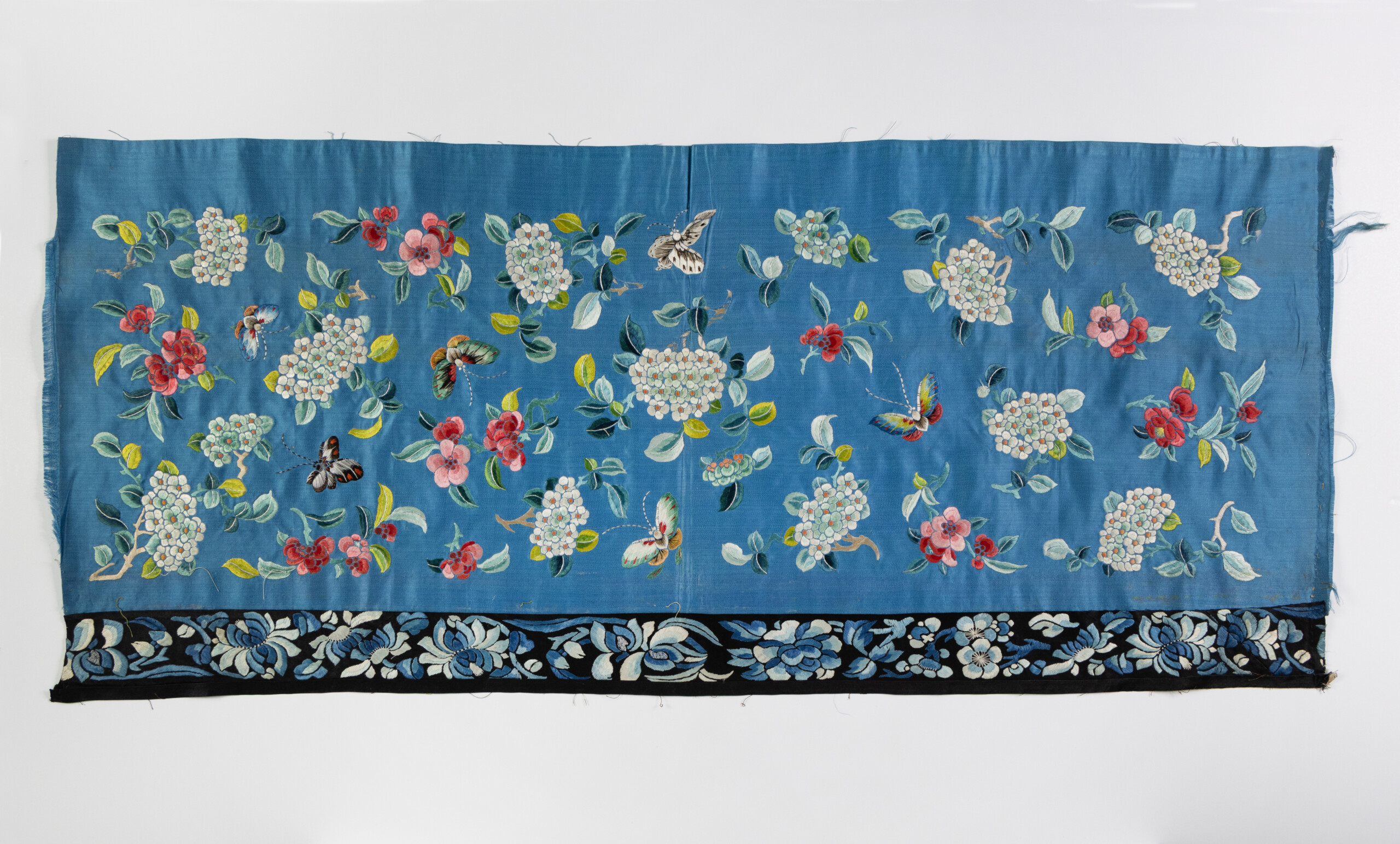
Fluid shapes, vibrant colors, and the usage of silk for this piece create a beautiful floral scene with butterflies and blossoms. The butterflies vary in color, with one appearing in all the shades of the rainbow, and another appearing in simple whites, blacks, and reds. Flowers appear in blue and pink, highlighted by green and [...]
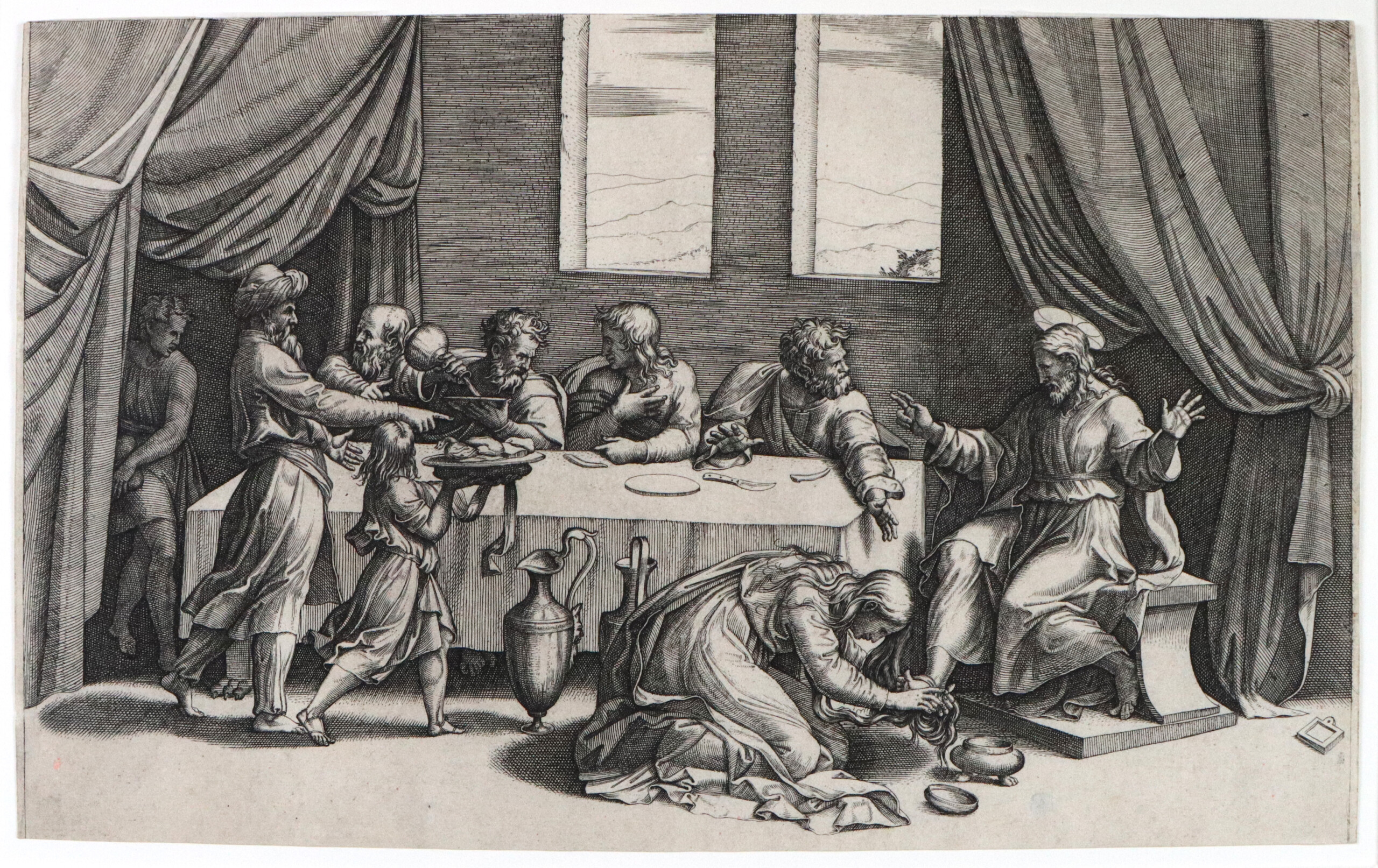
Christ in the House of Simon the Pharisee
Kelsey Malone2025-11-16T15:35:31-05:00This print depicts a Biblical scene described in Luke 7:36-50, in which Christ dines with Simon the Pharisee, a member of a religious Jewish group, and is approached by a woman from town looking to repent her sins. Portrayed kneeling beside Jesus, the woman washes his feet with her tears and hair as an act [...]
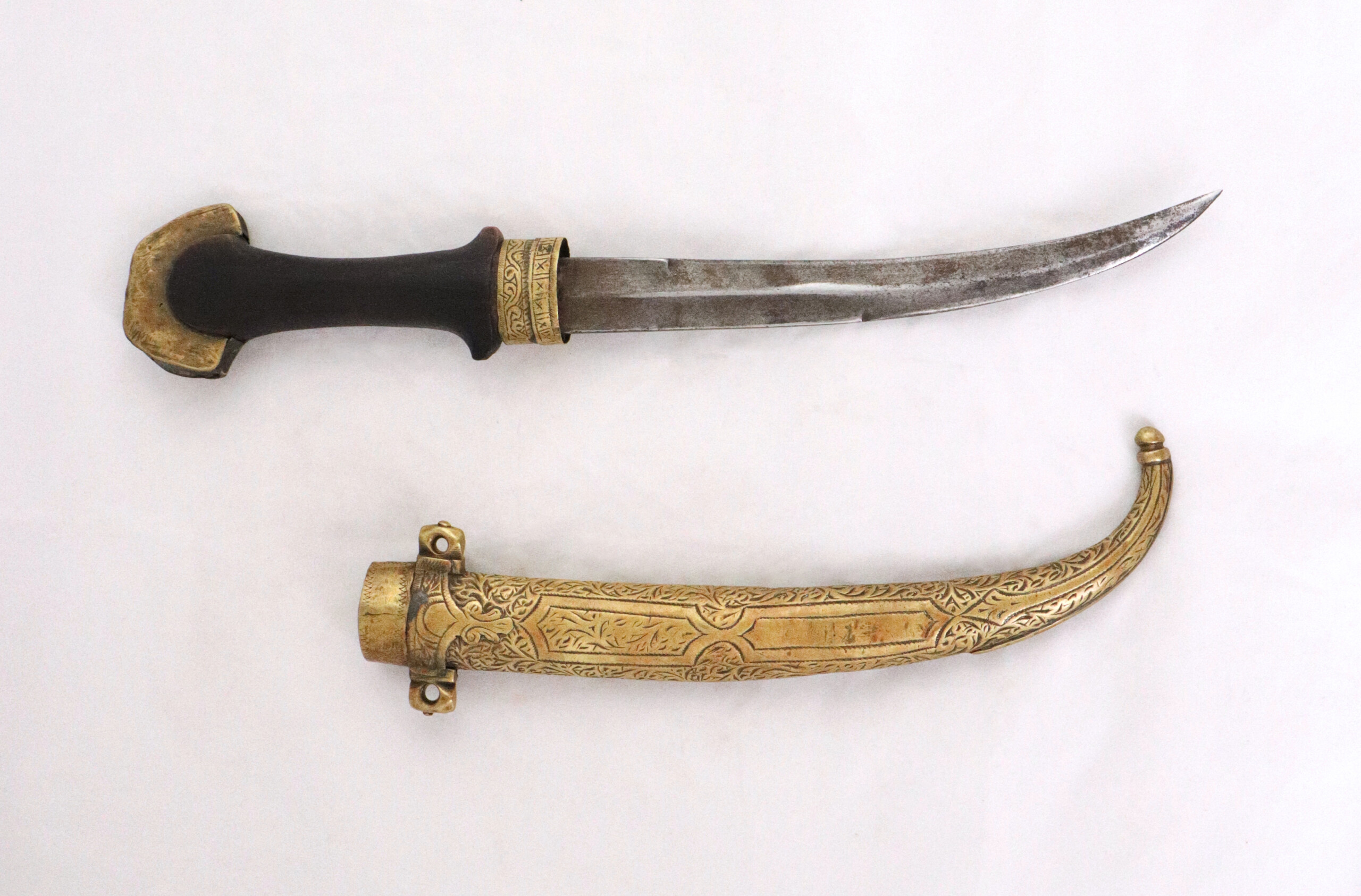
Dagger with Sheath
Kelsey Malone2025-11-16T15:15:05-05:00This dagger is one of many of its class categorized by its use of curved blades and scabbards (the blade cover). This type of blade was prevalent in the northwestern region of Africa, spanning from Morocco to northeastern Yemen. The scabbard features a tight, sharp, spiraling, floral pattern across the front, with a spearhead design [...]

Seated Boy With Fish
Kelsey Malone2025-11-16T15:15:36-05:00Gosho ningyo (palace dolls) originated in the Kyoto Imperial Palace during the Edo period in Japan (1603-1868) and were cherished for their childlike qualities. These dolls represented boys up to six years old and were designed for adults rather than for children’s play, their fragility serving as clear evidence of this purpose. The dolls [...]
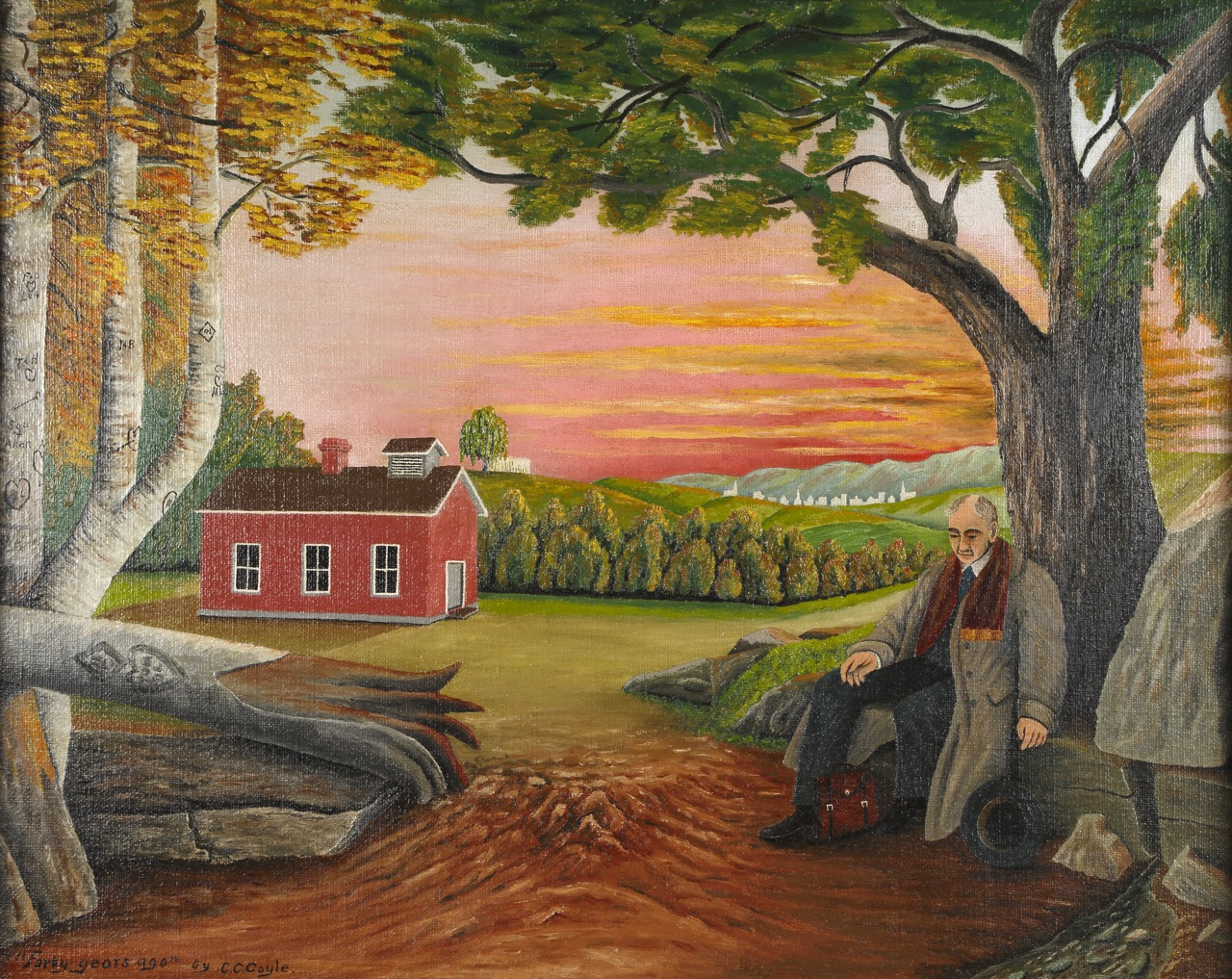
Forty Years Ago
Kelsey Malone2025-11-16T15:16:13-05:00C.C.Coyle donated this piece to Berea College in 1942 when he expressed a desire to return his work to the land of his youth. Messages of childhood and aging are referenced in the painting, as his inspiration was provided by a Francis Huston poem, also titled “Forty Years Ago.” The poem voices melancholy about aging [...]

Ma ṇi lag skor (Handheld Prayer Wheel)
Kelsey Malone2025-11-12T11:05:37-05:00A common meditative ritual in Tibetan Buddhism is to recite a mantra, or prayer, to a certain deity. Tibetan Buddhists believe that by reciting the mantra, they are purifying their spirit of negative energies and generating good merit, or good karma. Prayer wheels can be found in and near Tibetan Buddhist temples today and range [...]
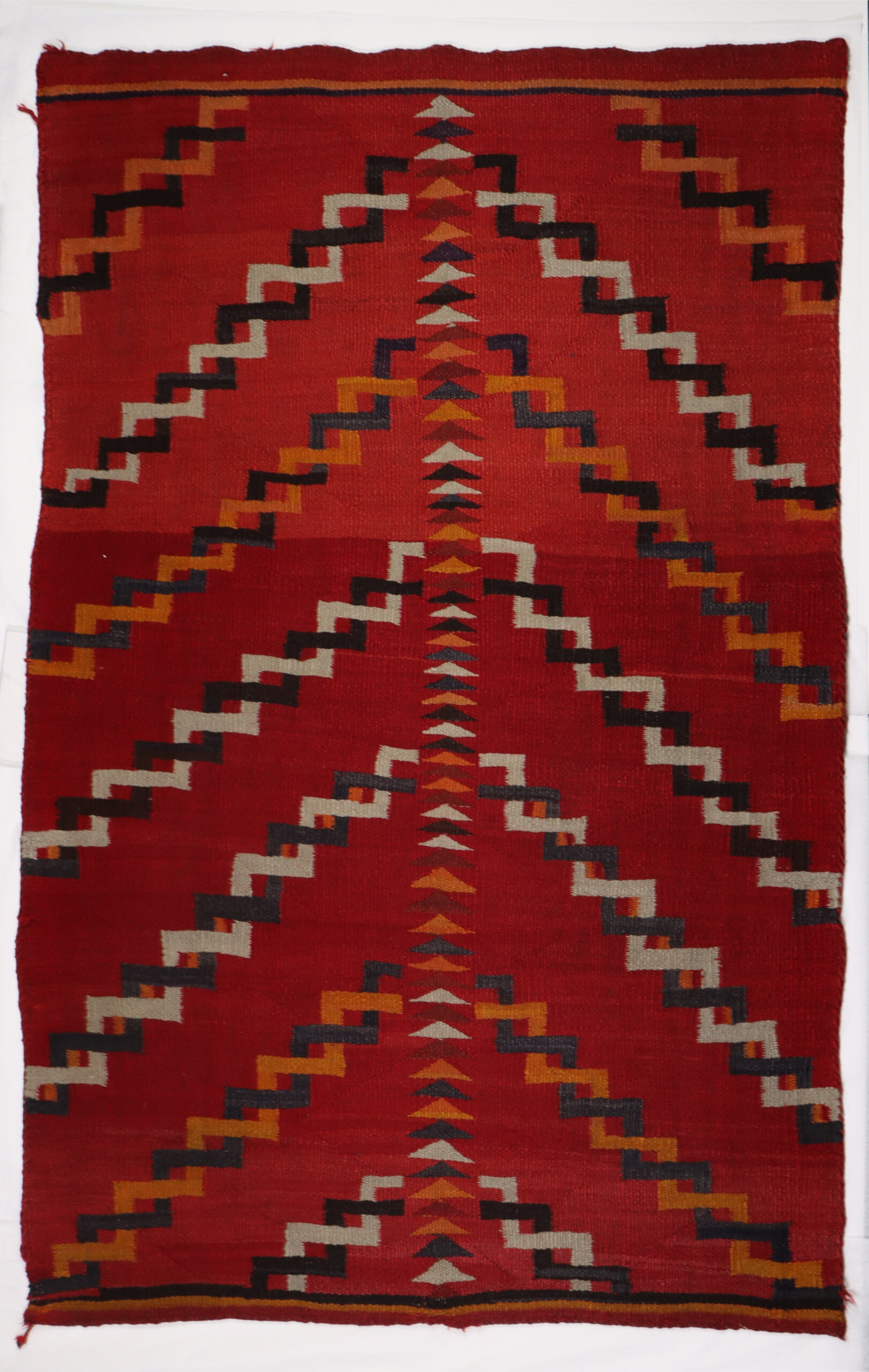
Rug
Kelsey Malone2025-11-16T15:17:08-05:00The Diné people are a historically oral culture, meaning they pass on story, myth, and history within material culture and spoken word rather than written documents. Through items such as dance, pottery, or textiles, cultural history is remembered and retold. From 1864 to 1866 the Diné people were incarcerated at Fort Sumner in New Mexico [...]
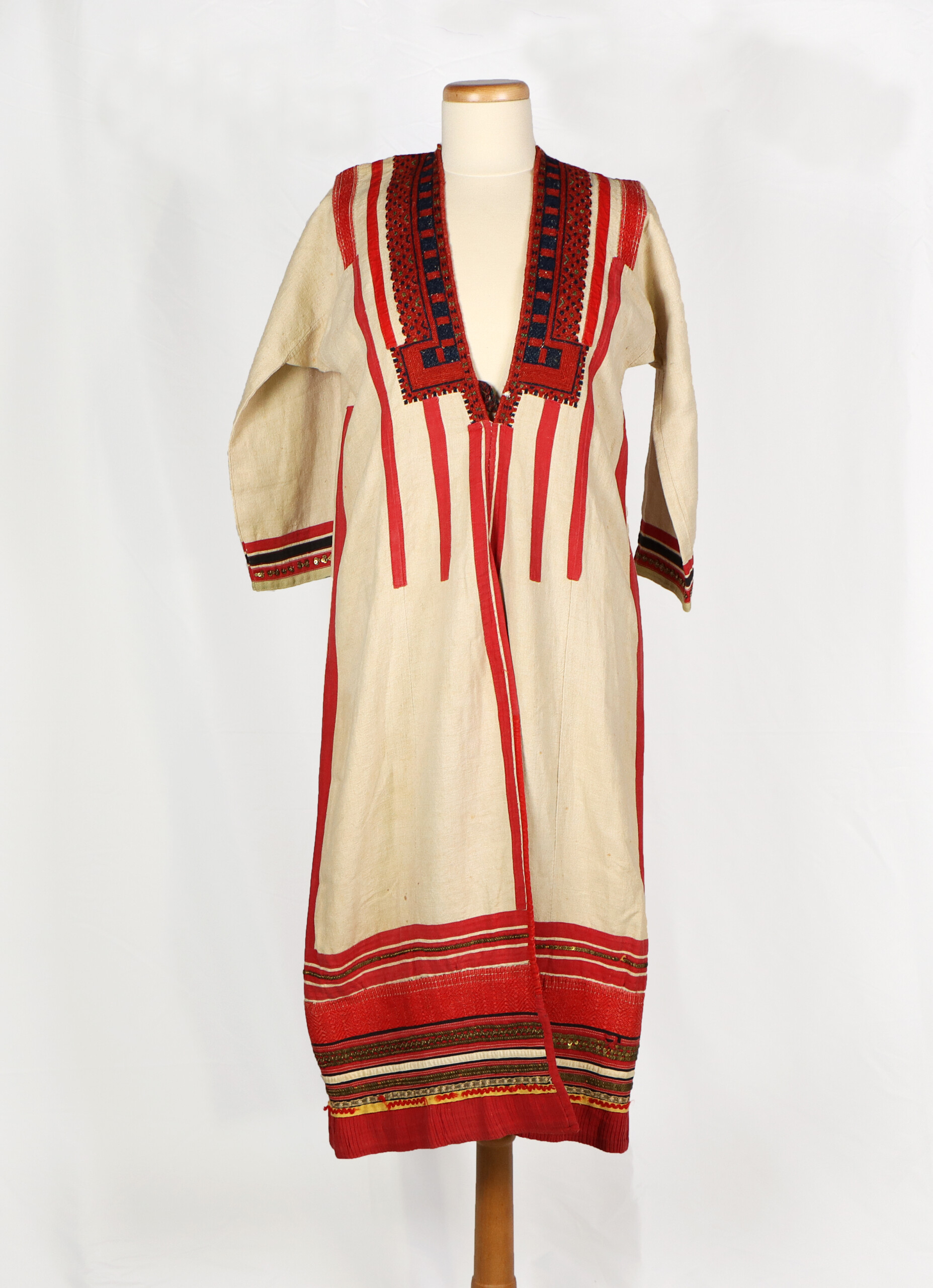
Embroidered Cămașă (Blouse)
Kelsey Malone2024-12-31T09:30:03-05:00Worn during secular township celebrations and religious observances, folk clothing provides a visual language of connection to heritage and aids in creating a sense of community for groups of people. This cămașă (kah-ma-shah), or blouse, is an important mode of cultural identification. Women wear these blouses beneath aprons or wrap-around skirts and vests that provide [...]
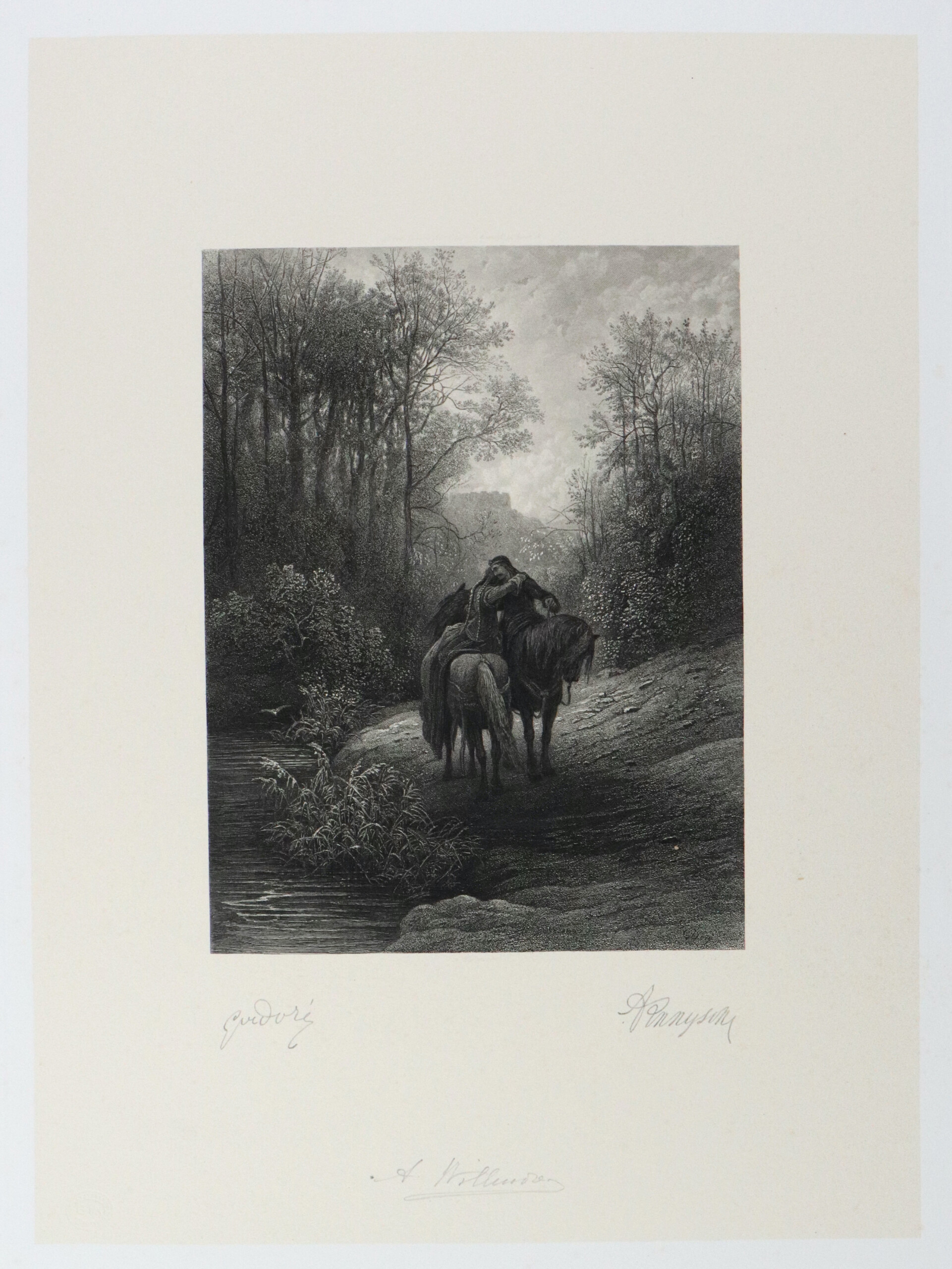
The Parting of Lancelot and Guinevere
Kelsey Malone2024-01-03T16:48:55-05:00The Victorian era marked a resurgence of popularity of Arthurian legends. The first publication of the Alfred Tennyson’s The Idylls of the King sold incredibly well – a pattern that unfortunately did not continue with the edition illustrated by Gustave Doré – representing a Victorian fondness for stories of growth and change in a time [...]
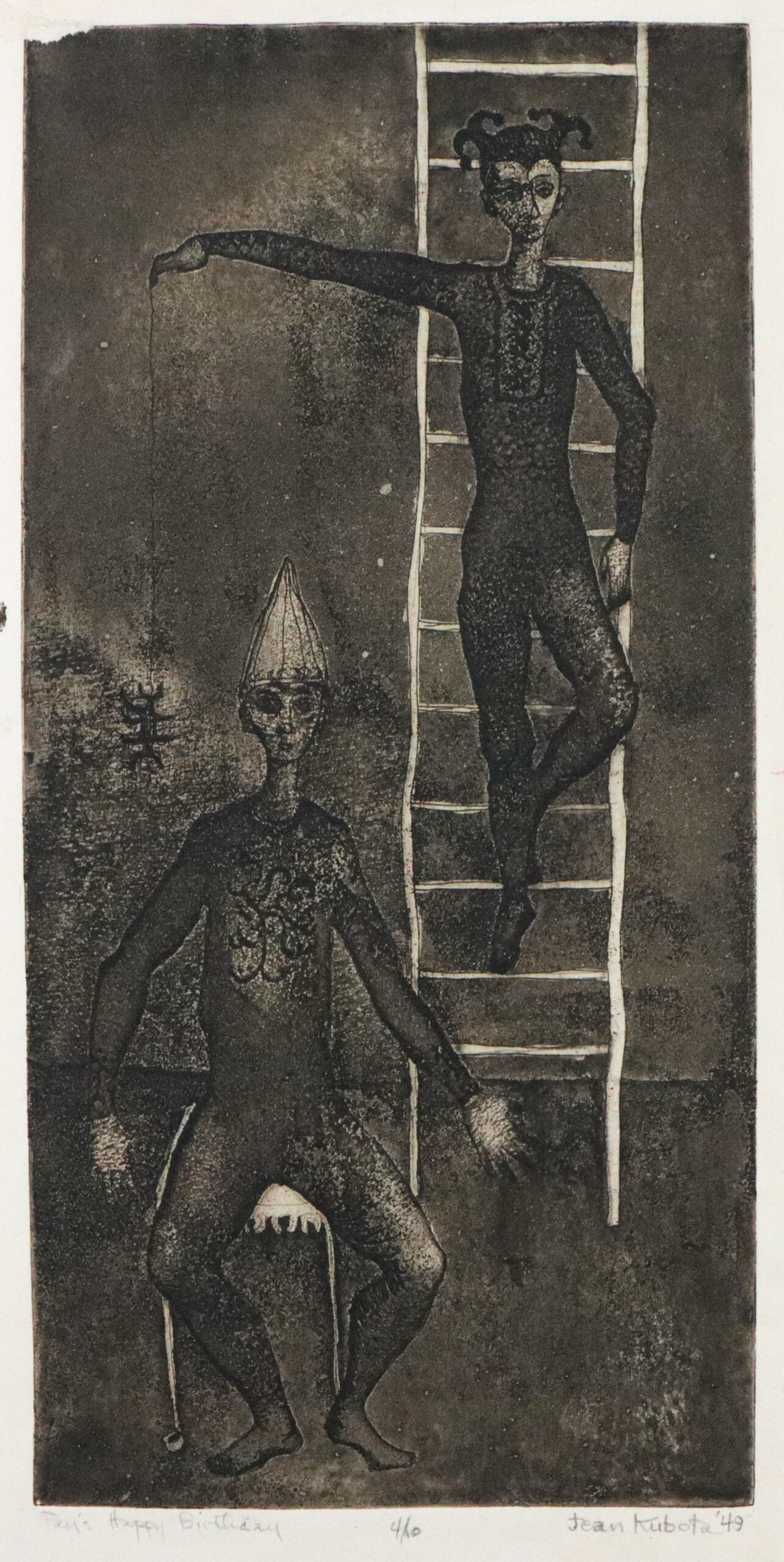
Fay’s Happy Birthday
Kelsey Malone2024-01-03T16:40:38-05:00Jean Kubota Cassill is a printmaker who worked primarily in the mid- to late twentieth century. printmaking. She studied printmaking at the University of Wisconsin-Madison where she encountered Arthur Frick, a professor of drawing. It is unknown as to how or why he received this artwork, but it may be that Cassill was a student [...]