

Project Description
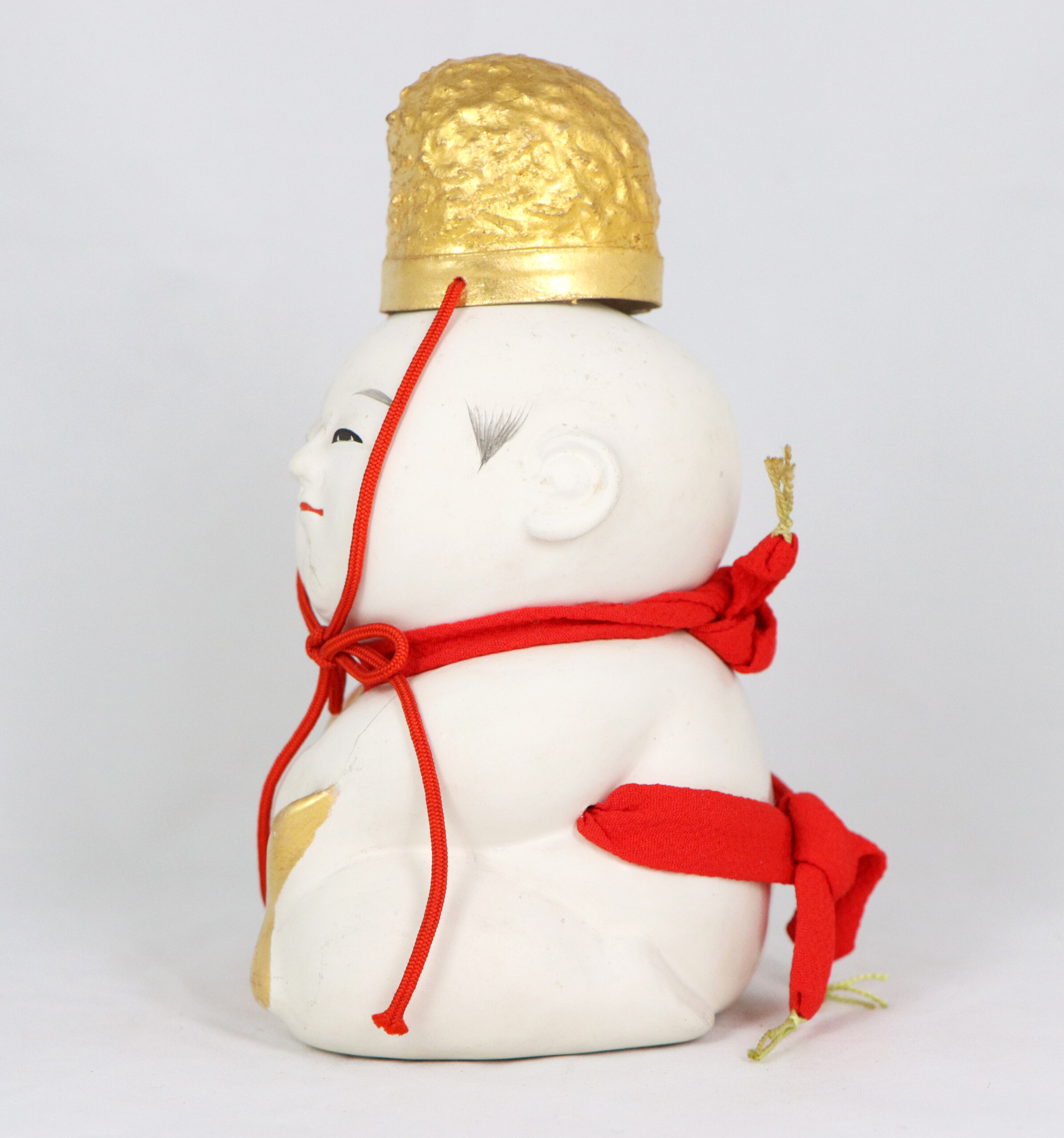
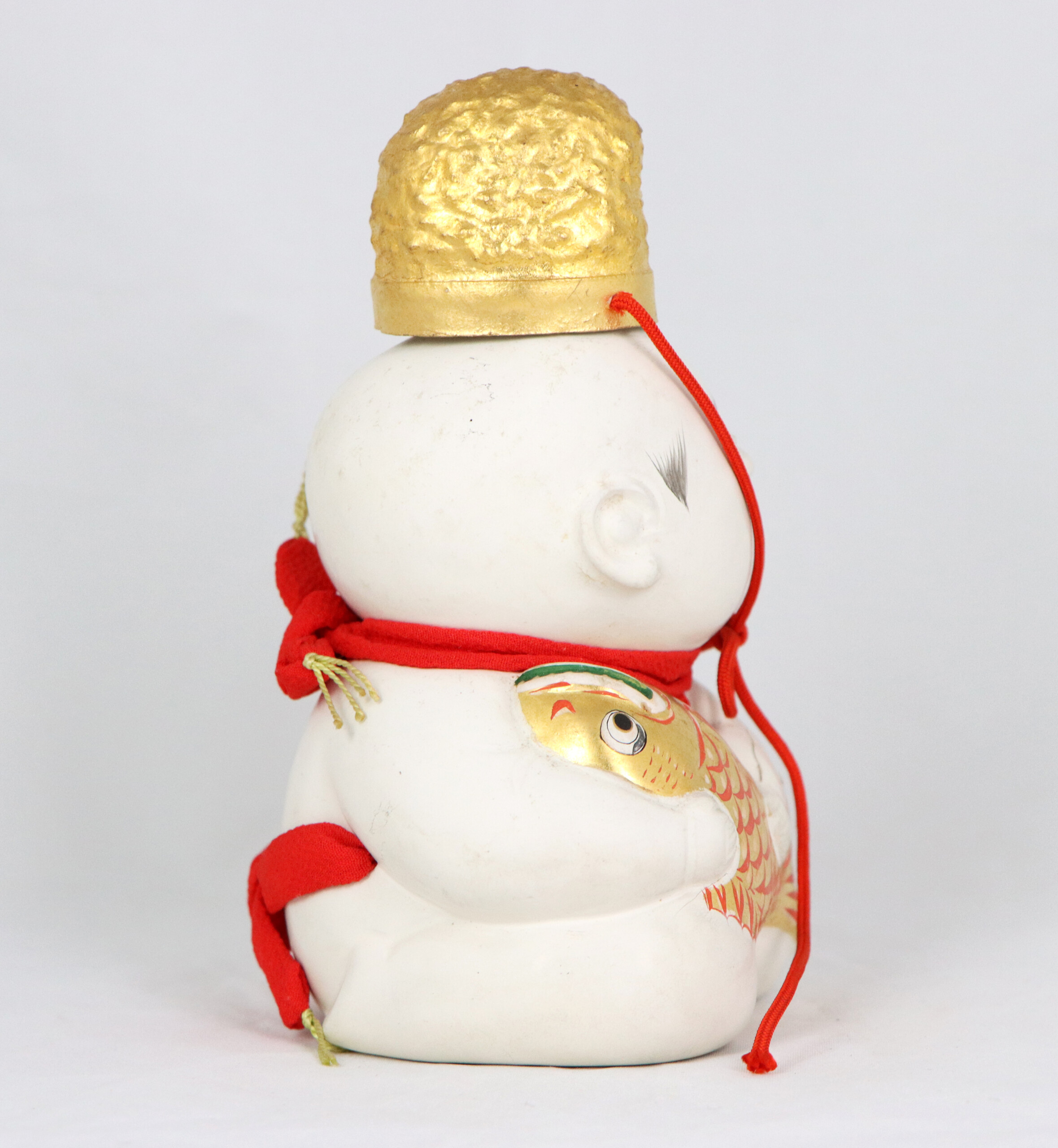
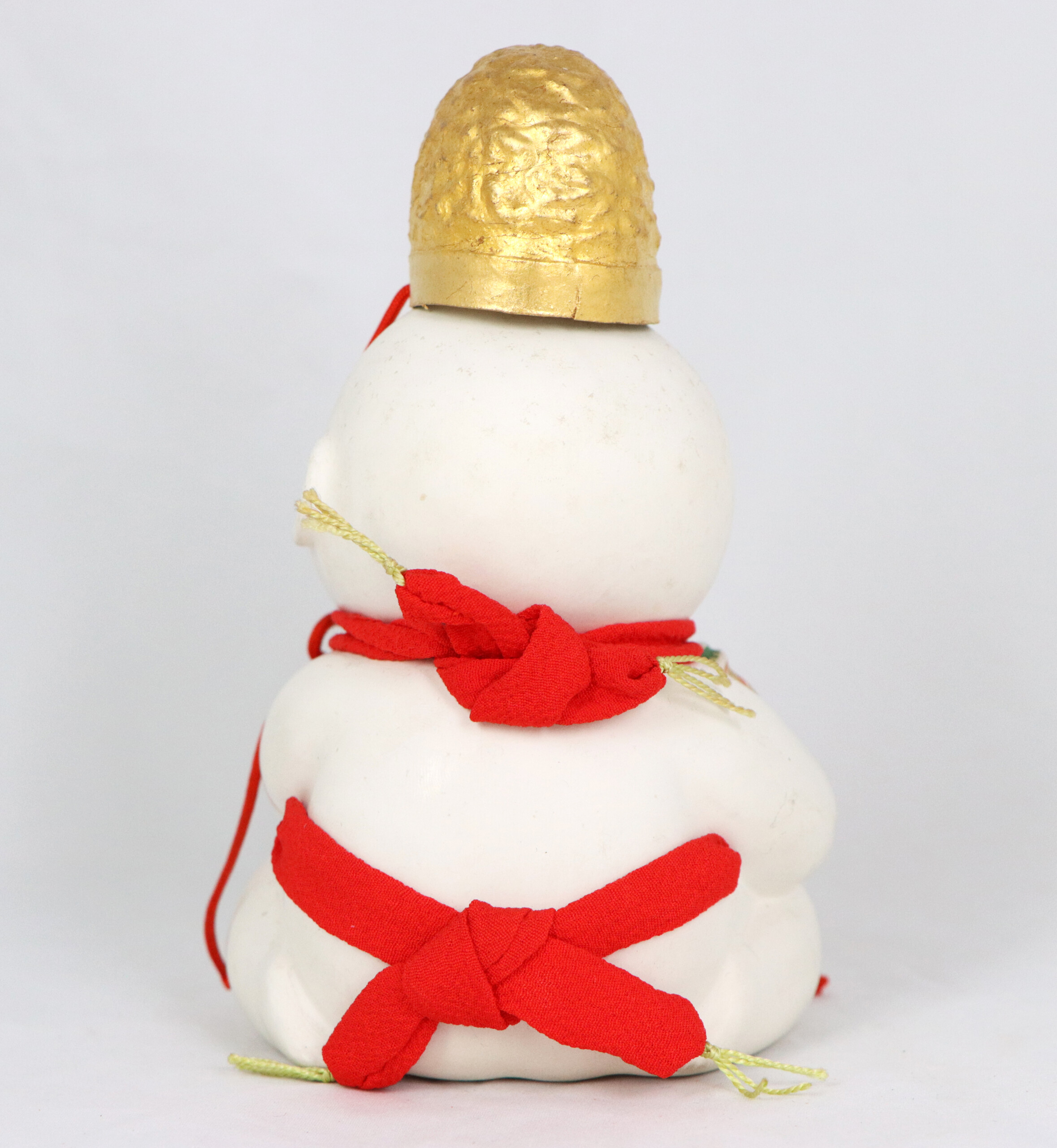
Gosho ningyo (palace dolls) originated in the Kyoto Imperial Palace during the Edo period in Japan (1603-1868) and were cherished for their childlike qualities. These dolls represented boys up to six years old and were designed for adults rather than for children’s play, their fragility serving as clear evidence of this purpose. The dolls innocently mimicked the roles of adults and pretended to be them, too. Gosho ningyo did what children do best: play and discover the world around them through naive eyes. The overwhelming love for the dolls reflected a deep cultural appreciation for the innocence of childhood. In admiring gosho ningyo, adults sought to continue to see the world around them through the eyes of a child, although their own gaze had already matured.
Beyond their symbolic meaning, gosho ningyo are made with exceptional craftsmanship. This doll was carved from wood and then painted with multiple layers of gofun, a white pigment made from finely ground oyster shells mixed with an animal-based glue. Once dried, this pigment allows for the luminous, porcelain-like finish of the dolls’ chubby bodies. Today, the glowing whiteness of the gosho ningyo symbolizes purity and harmony valued by the imperial court, as well as Japan’s admiration for the innocence of childhood.
– Janelle Bernier (Berea College Class of 2027), ARH 263: Intro. to Museum Work, Fall 2025