
Un Tributo a la Vida que Solía Tener desde la Vida que Tengo Ahora
Jose Alfredo Ramos Macias
Me mudé a Georgia cuando tenía seis años, dejando mi tierra natal. En mi mente, vivir aquí iba a ser temporal y estaríamos de vuelta en México para retomar nuestras vidas. Eso fue hace diecinueve años. En ese tiempo, he hecho una vida aquí, y poco a poco la tierra que una vez conocí, se ha vuelto lejana y ajena. Esto ha complicado mis sentimientos hacia mi cultura indígena.
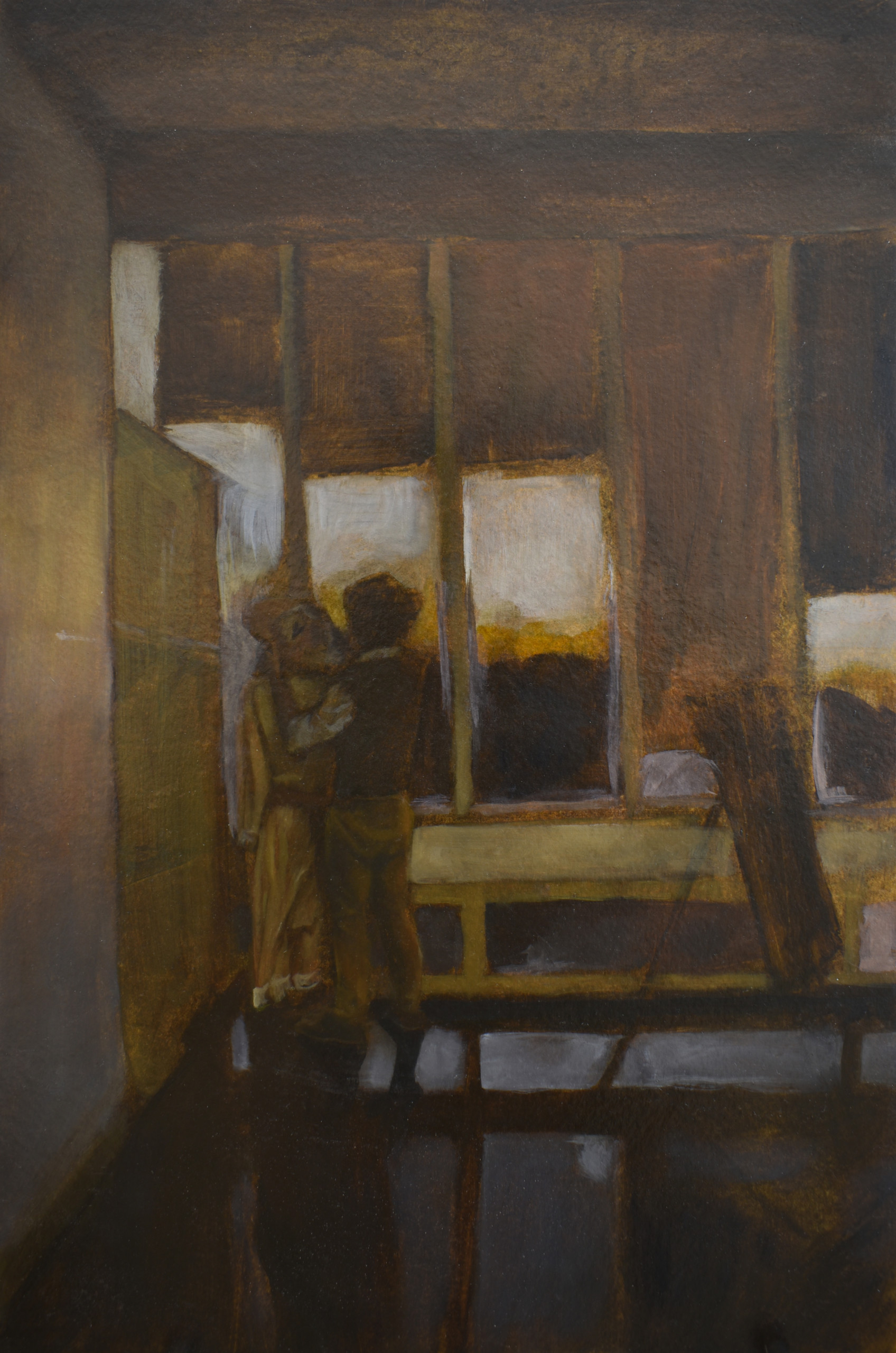
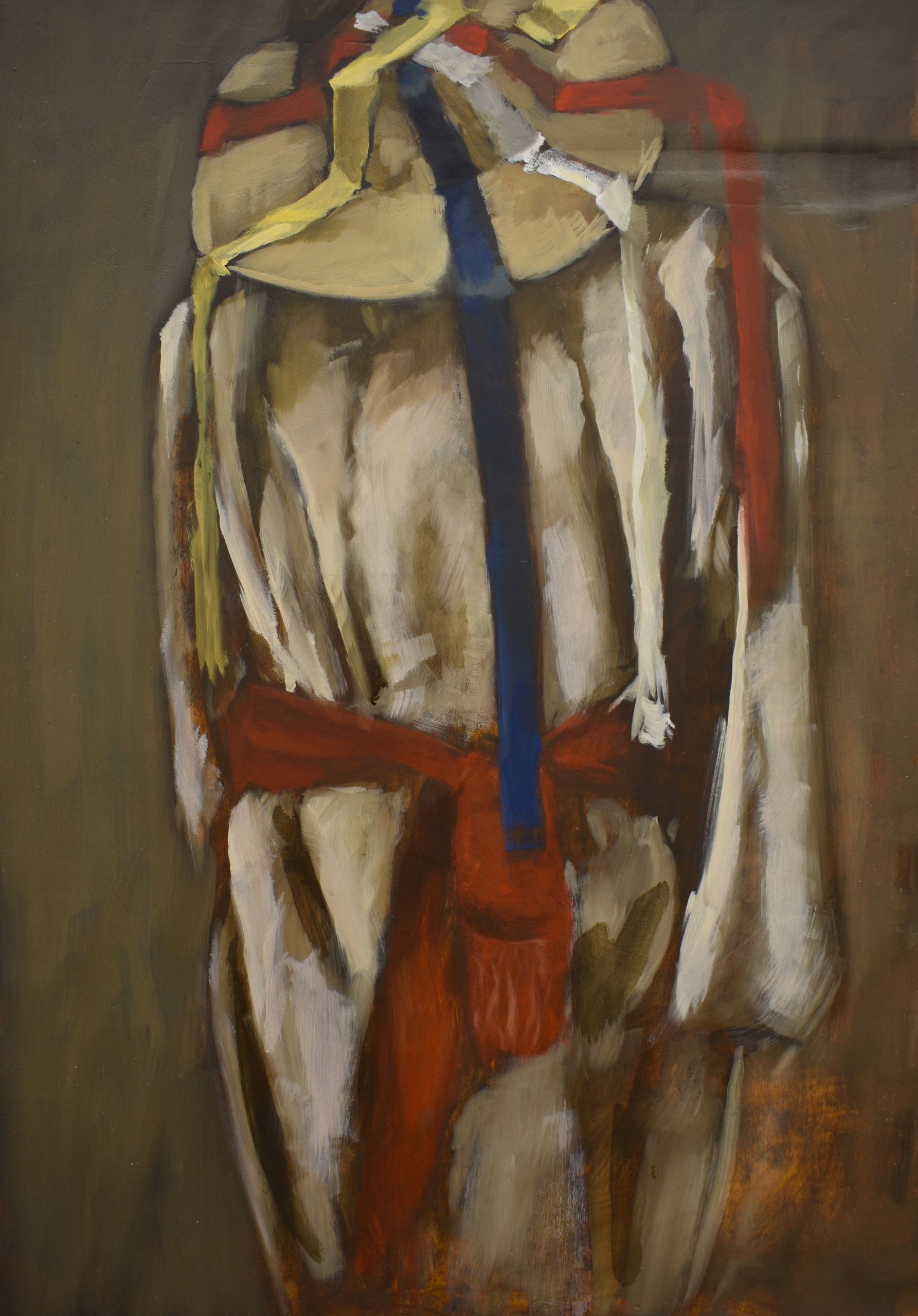
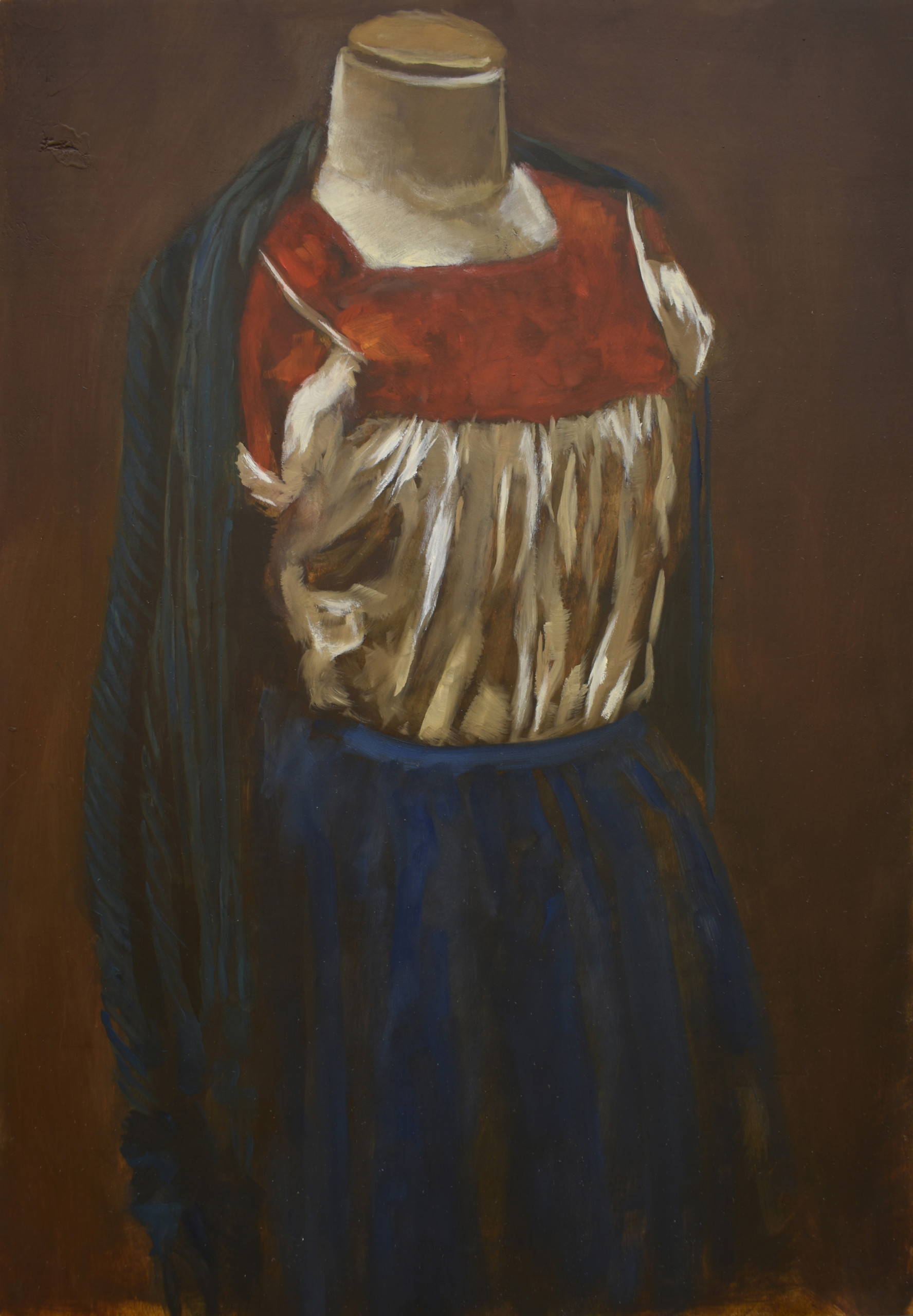
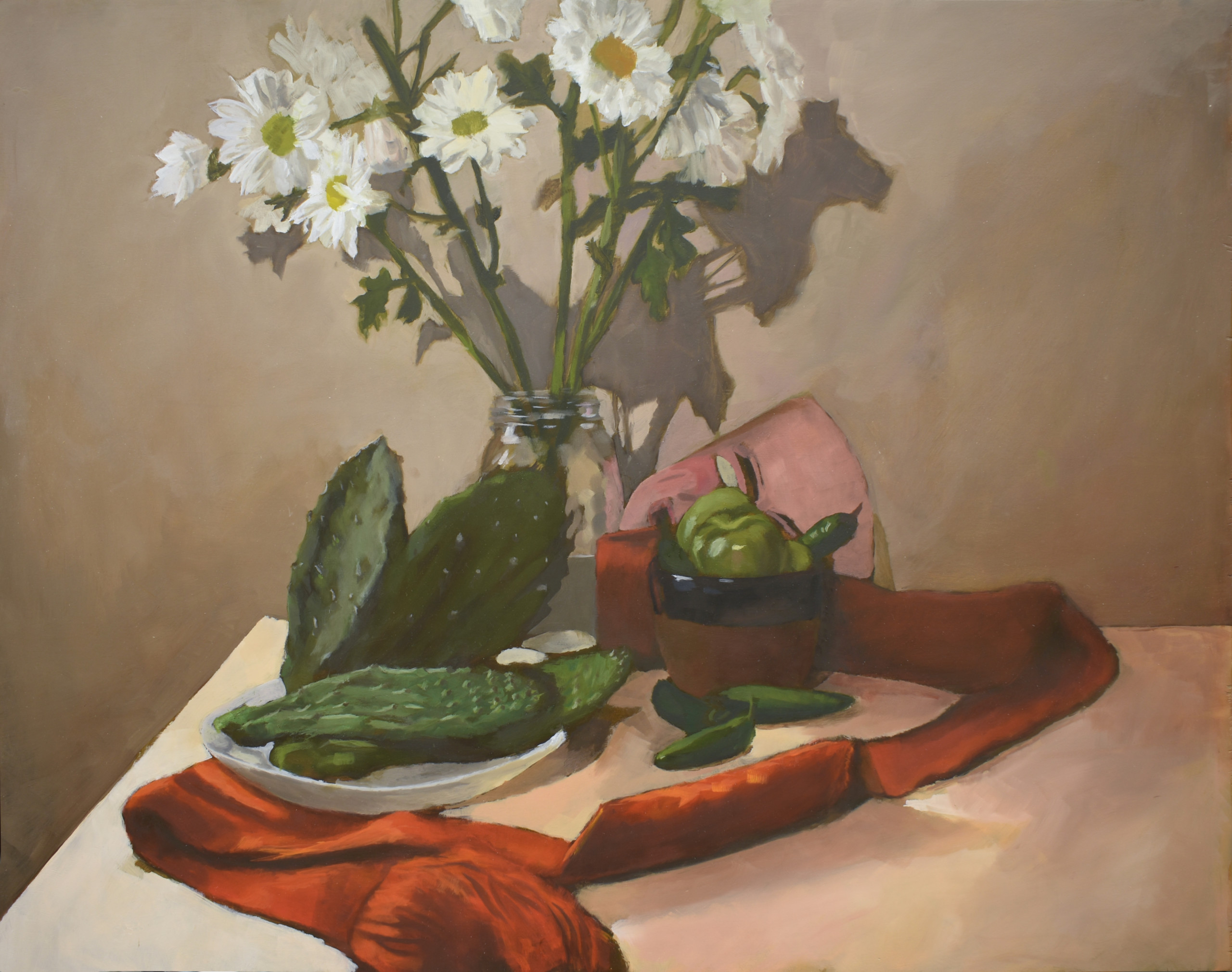
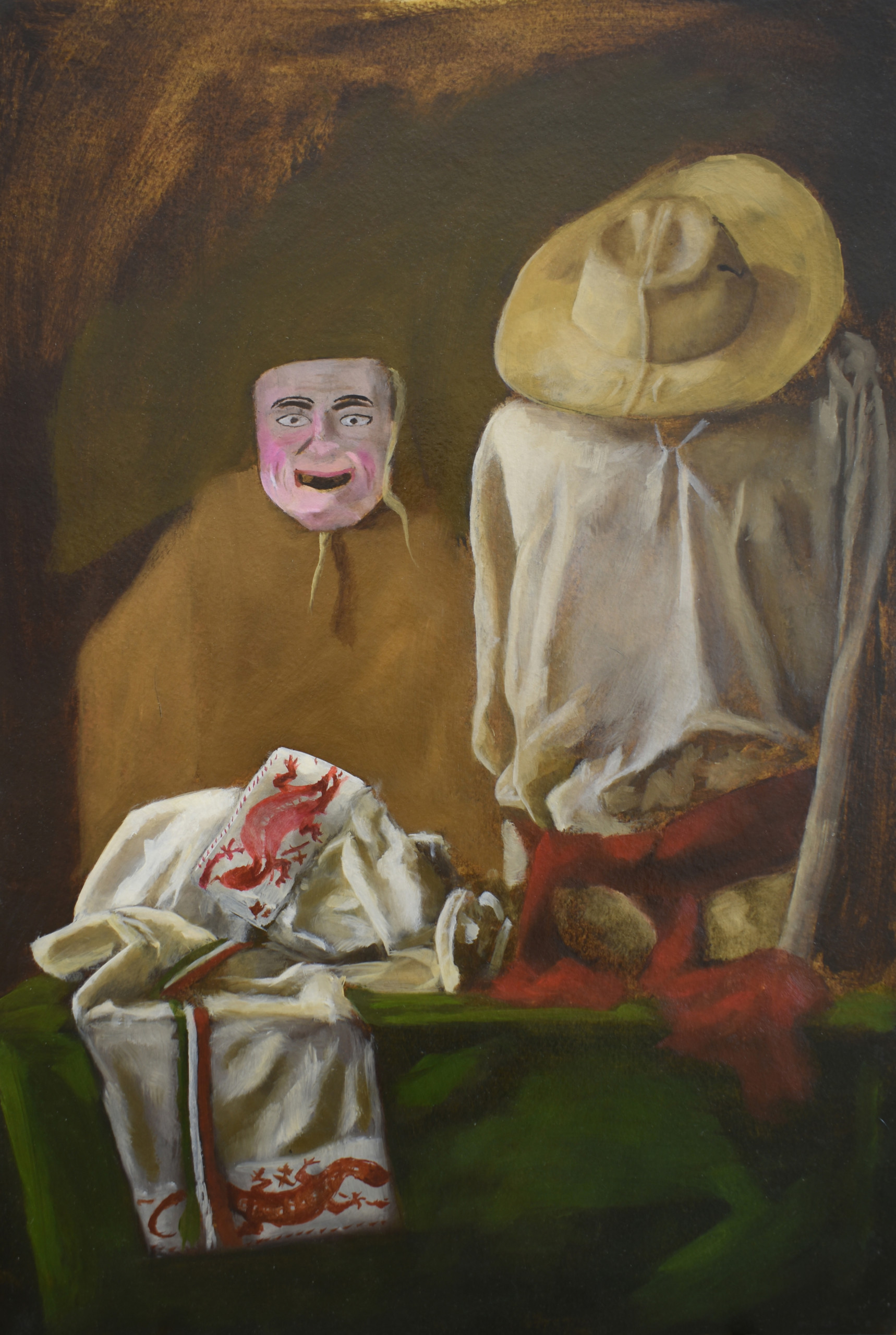
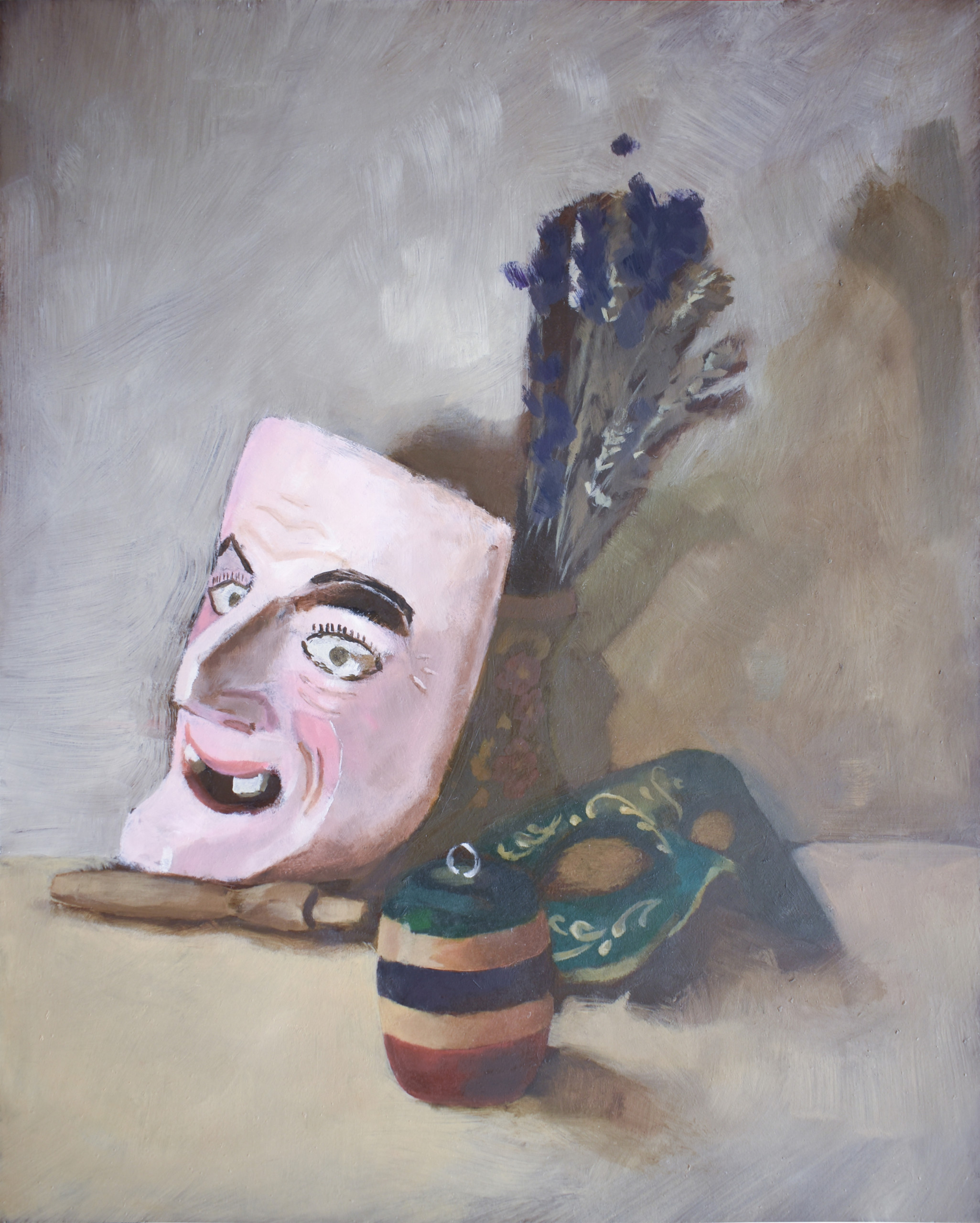
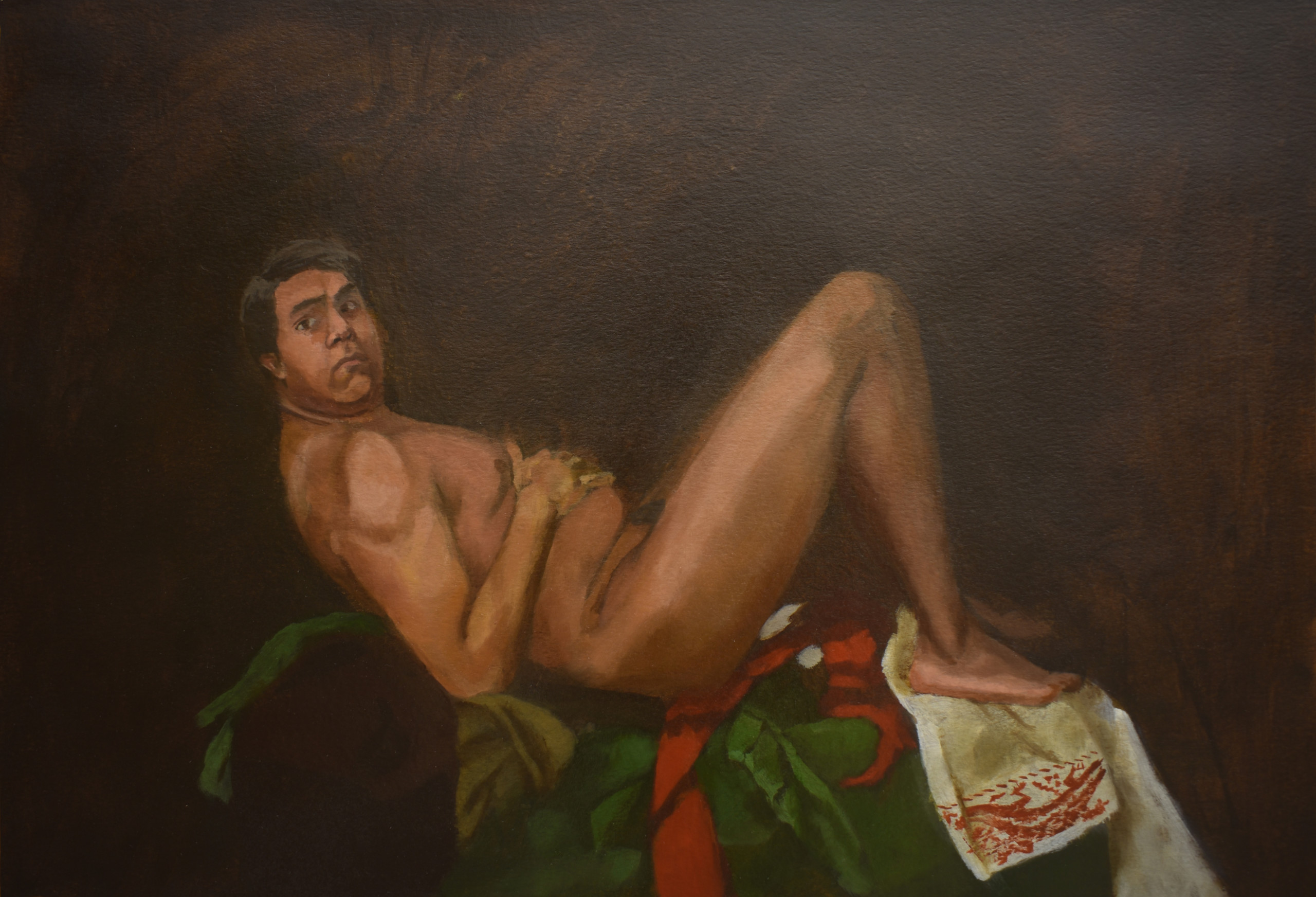
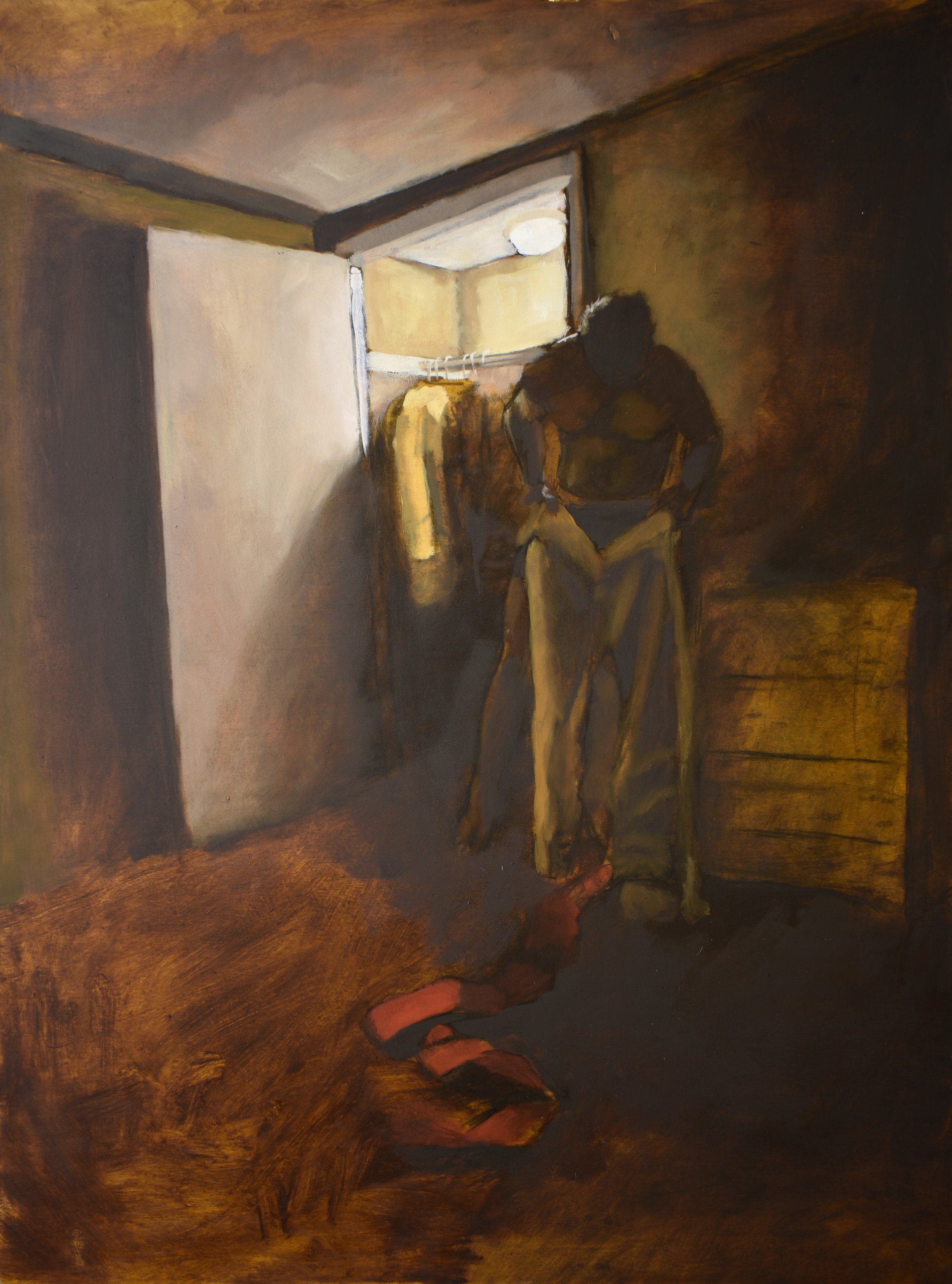
El año pasado comencé a explorar mis raíces haciendo una naturaleza muerta de ropa utilizada en la danza de los viejitos. Esta es una costumbre de la cultura Purépecha. Estos artículos son importantes para mí porque yo participé en los bailes cuando era niño. Yo solía saber todos los pasos en ese entonces; ahora no puedo recordar ninguno de ellos. Mientras contemplaba mi separación de estos objetos al pintarlos, creé una escena que mostraba mi interacción con ellos mientras preparaba la naturaleza muerta. En respuesta a esta exploración, pensé en colocar mi cuerpo en una naturaleza muerta haciéndome pasar por una figura precolombina conocida como Chacmool. Esta estatua se encuentra en muchas ciudades indígenas, demostrando un flujo de ideas entre la gente del México precolombino. Estos dos enfoques, pintando cosas que son significativas para mí, representan los sentimientos complejos que tengo por mi cultura.
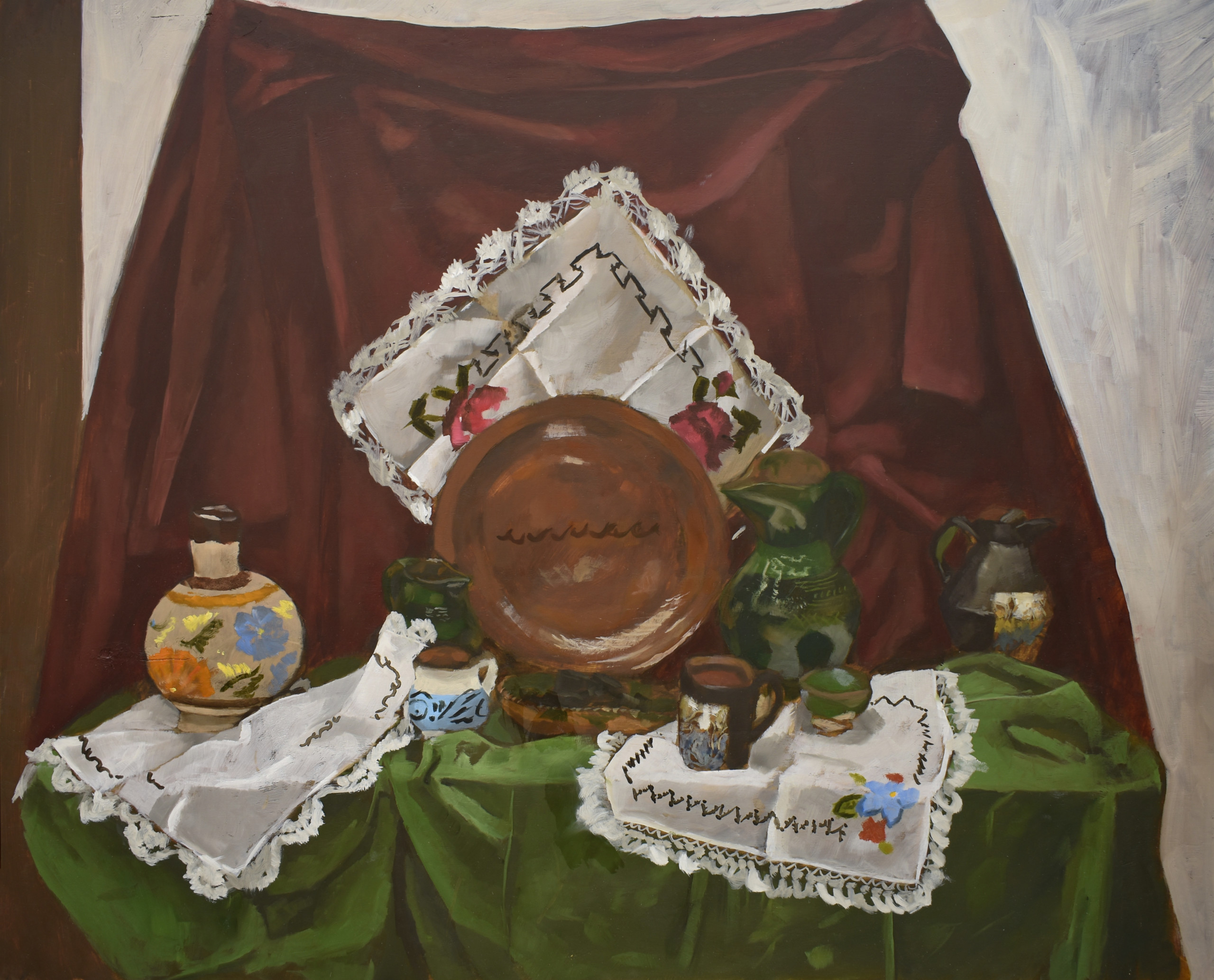
Aunque tengo una relación complicada con mi cultura natal, mis naturalezas muertas son una expresión de mi orgullo por las tradiciones y artesanías Purépecha. Los pinté porque me gusta ver estas cosas y quería verlos representados. Por otro lado, los autorretratos con los objetos, captan mi ansiedad y aislamiento de no conocer mi cultura mientras todavía estoy conectado a ella. Son mi intento de comprender mi tierra natal y reconciliar mis raíces con mi educación estadounidense.
A Tribute to the Life I Used to Have from the Life I Have Now
Jose Alfredo Ramos Macias
I moved to Georgia when I was six, leaving my homeland. In my mind, living here was going to be temporary and we would be back in Mexico to resume our lives. That was nineteen years ago. In that time, I’ve settled here, and little by little the land that I once knew so well has become distant and foreign. This has complicated my own relationship with my indigenous culture.
Last year I began to explore my roots by doing a still life of clothing used in the folkloric dance of the little old men. This is a custom specific to the Purepecha people with roots tied to pre-Columbian times. These items were especially important to me because I took part in the dances when I was younger. I used to know all the steps back then; now I cannot remember any of them. While contemplating my separation from these objects, I then painted a scene showing my interaction with them as I set up the still life. In response to this exploration, I thought to position myself onto the still life table posing as a pre-Columbian figure known as Chacmool. This figure is found in many indigenous cities, demonstrating a flow of ideas amongst the people of pre-Columbian Mexico. These approaches with depicting myself and the objects represent the complex feelings I have for my culture.
Though I have a complicated relationship with the culture of my homeland, my still life’s are an expression of pride for Tarascan traditions and crafts. I painted them because I love seeing these things that are so meaningful to me, and I wanted to see them represented. The self-portraits with the objects, on the other hand, capture my anxiety and isolation as a result of not knowing the culture any longer while still being connected to it. They are my attempt to understand my homeland and reconcile my roots with my American upbringing.